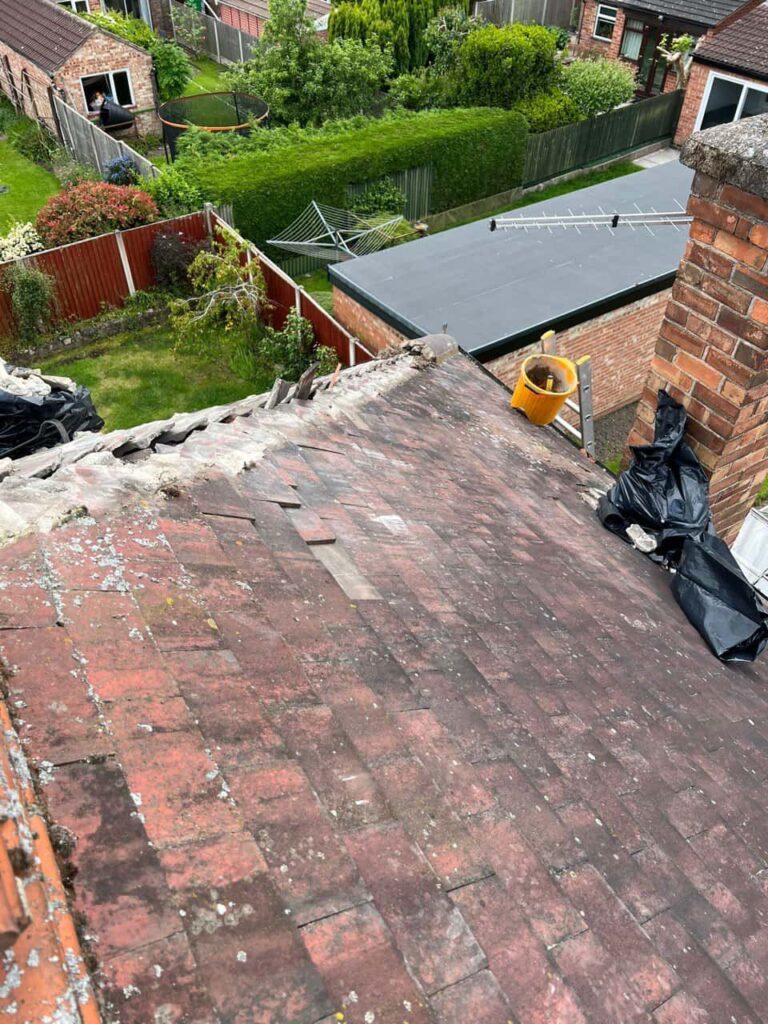
Severe weather can put considerable strain on a roof, causing damage that may not be immediately apparent from the ground. Strong winds can dislodge tiles, heavy rain can expose weaknesses in roof coverings, and flying debris can damage vulnerable areas. For homeowners in Belper, Derbyshire, understanding how to respond after a storm is essential for protecting the property and preventing further deterioration.
Even a small defect can allow water to enter the roof structure, potentially affecting insulation, ceilings and timber components. Taking sensible precautions, recognising the warning signs and arranging professional storm damage roof repairs can help restore the roof’s weather resistance and reduce the risk of recurring problems.
Common Types of Storm Damage to Roofs
Storm damage can affect several parts of a roofing system, depending on the severity of the weather and the condition of the materials before the storm.
Missing or Dislodged Roof Tiles
Strong winds can lift or displace roof tiles, leaving gaps through which rainwater can penetrate. Tiles that have shifted out of position may also expose neighbouring areas to further wind damage. Even if no water is entering the property immediately, exposed sections should be assessed promptly to establish whether repairs are required.
Damaged Flashing and Roof Junctions
Flashing protects vulnerable joints around chimneys, roof edges and other points where roofing materials meet. Severe weather can loosen existing flashing or worsen weaknesses in ageing materials, allowing rainwater to enter around these junctions.
Because these areas can be difficult to inspect from the ground, professional assessment is often needed to identify the exact source of a leak.
Blocked or Damaged Guttering
Heavy rainfall can expose problems with gutters and downpipes, particularly when they contain leaves or other debris. Strong winds may also loosen guttering or dislodge brackets. When rainwater cannot drain away effectively, it may overflow against external walls or contribute to damp problems.
Checking the condition of the roofline and drainage system after severe weather can help identify issues that need attention alongside roof repairs.
Leaks and Internal Water Damage
Water stains on ceilings, peeling paint and damp patches in loft spaces can indicate storm-related roof damage. The point where water appears indoors may not be directly beneath the damaged section, as moisture can travel along roof timbers and other surfaces.
For this reason, identifying the underlying entry point is important. Treating the visible stain without repairing the roof defect may allow the problem to return during the next period of rainfall.
What to Do Immediately After a Storm
After severe weather, safety should always come first. Do not climb onto the roof or use a ladder to inspect suspected damage. Roof surfaces may be slippery, tiles may be unstable, and weakened sections can present serious hazards.
Instead, carry out a visual inspection from the ground where it is safe. Look for missing tiles, hanging materials, fallen branches and damaged guttering. From inside the property, check for visible signs of water ingress, provided the affected area is safe to access.
If water is entering the building, move belongings away from the affected area where possible. A container may help catch minor drips if it can be positioned safely, but avoid touching wet electrical fittings or equipment. If water is near electrical installations, keep clear and seek appropriate assistance.
Photographs taken from a safe position can also help you explain the visible damage when contacting a roofing professional. Avoid attempting temporary roof repairs yourself, as unsuitable materials or unsafe access can create further problems.
Why Prompt Storm Damage Roof Repairs Are Important
Leaving storm damage unresolved can expose the roof structure to repeated rainfall and wind. A missing tile, loose flashing joint or damaged roof covering may initially seem minor, but continued water penetration can affect insulation, timber components and internal finishes.
Prompt repairs help address the source of the problem before further deterioration occurs. A professional roofer can assess whether the damage is limited to one area or whether neighbouring tiles, ridge details, roof junctions or drainage components have also been affected.
A thorough inspection is particularly valuable when a leak appears intermittently. Water may only enter during certain wind directions or periods of heavy rainfall, making the underlying defect less obvious. Identifying the cause allows repairs to target the actual weakness rather than simply treating its symptoms.
How Professional Roof Repairs Restore Protection
Effective storm damage repairs begin with understanding how the roof has been affected. The appropriate solution depends on the roof type, the materials used and the extent of the damage.
Work may involve replacing broken or missing tiles, securing displaced roofing materials, repairing flashing or addressing damaged sections of a roof covering. Where guttering or drainage has been affected, those defects may also need attention to help rainwater flow away correctly.
A professional assessment should consider the surrounding roof area as well as the most visible damage. Storms can loosen adjacent materials without dislodging them completely, leaving weaknesses that may develop into leaks later.
For property owners in Belper, Derbyshire, arranging suitable repairs helps ensure that the damaged areas are addressed carefully and that the roof can continue protecting the property against changing weather conditions.
Preparing Your Roof for Future Severe Weather
Although storms cannot be prevented, regular roof maintenance can help identify vulnerabilities before severe weather arrives. Loose tiles, deteriorating flashing and blocked gutters are easier to address when discovered during routine checks rather than after water has entered the home.
Arrange periodic roof inspections, keep accessible drainage points clear and seek advice when roofing materials show signs of wear. Trees near the property should also be monitored for damaged branches that could fall onto the roof during strong winds.
If previous leaks or repairs have occurred, pay particular attention to those areas. Recurring problems may indicate that the original cause has not been fully resolved.
Storm Damage Roof Repairs in Belper, Derbyshire
A damaged roof can compromise the protection your home relies on, particularly when severe weather is followed by further rainfall. Recognising warning signs and arranging professional attention promptly can help prevent a small defect from developing into a more extensive problem.
Belper Roofing Repairs can help homeowners in Belper, Derbyshire, identify storm-related roofing issues and arrange appropriate repairs. If you have noticed missing tiles, damaged flashing or signs of a roof leak after severe weather, contact Belper Roofing Repairs to discuss your concerns and arrange a professional assessment.
Conclusion
Storm damage can affect roof tiles, flashing, guttering and other components that keep a property protected from the elements. A safe initial inspection, prompt attention to warning signs and professional repairs are important steps towards limiting further damage.
For homeowners in Belper, Derbyshire, addressing roofing problems early can help restore weather protection and maintain the roof’s long-term condition. With a careful assessment and suitable repairs, storm-related defects can be dealt with at their source, helping protect your home through future periods of severe weather.
Call us on: 01773 303 690
Click here to find out more about Belper Roofing Repairs
Click here to complete our contact form and see how we can help with your roofing needs.