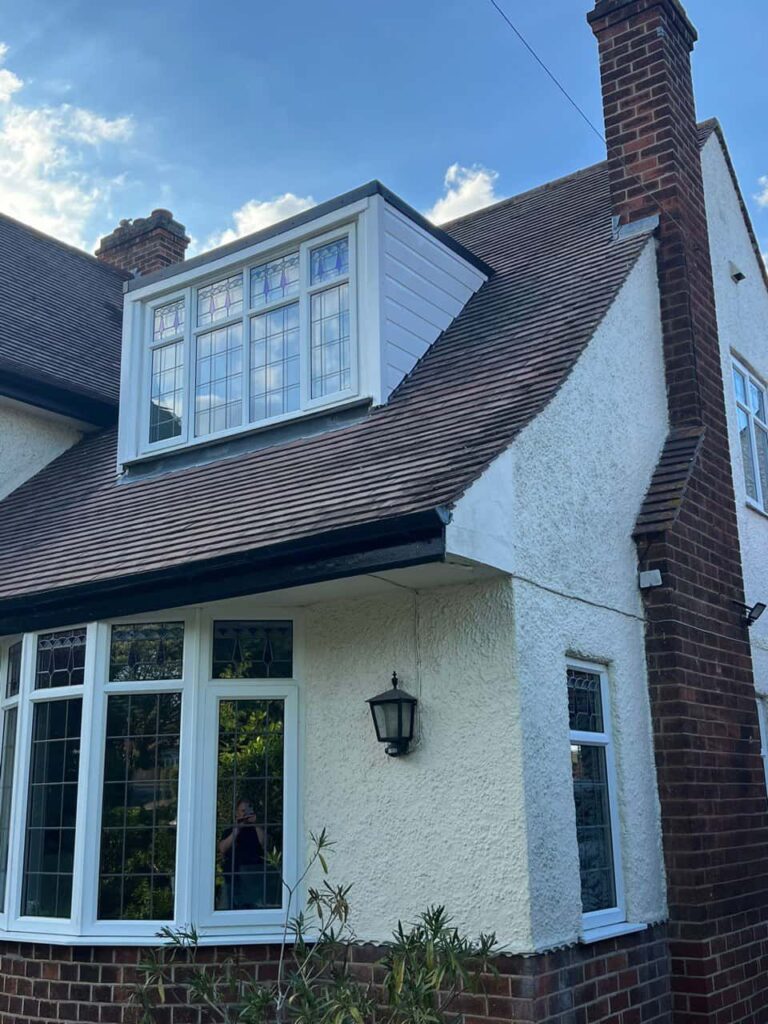
Roof valleys are important parts of a pitched roof because they channel rainwater away from the point where two sloping roof sections meet. As these areas collect water from adjoining roof surfaces, they are exposed to a greater flow of rainwater than many other parts of the roof. If a valley becomes damaged, blocked or poorly sealed, water can find its way beneath the roof covering and cause leaks inside the property.
For homeowners in Belper, Derbyshire, understanding the common causes of roof valley leaks can help identify problems early and prevent moisture from affecting roof timbers, ceilings and loft spaces. Recognising the warning signs and arranging suitable roof repairs can help maintain the roof’s ability to protect the property.
How Roof Valleys Work
A roof valley is the internal angle formed where two sections of a pitched roof meet. It provides a channel for rainwater to flow down towards the gutters and away from the building.
Depending on the roof design, valleys may be constructed using metal, flexible valley materials or specially arranged tiles. Regardless of the material, the valley must provide a continuous, watertight route for rainwater.
Because water from both adjoining roof slopes passes through this area, even a relatively small defect can lead to water entering the roof structure.
Damaged or Deteriorating Valley Materials
One of the most common causes of leaks is deterioration of the material used to line the roof valley. Over time, exposure to rain, temperature changes and general weathering can weaken certain materials.
Metal valley linings may develop corrosion, cracks or damaged joints, while older flexible materials can become brittle, split or lose their ability to form a reliable seal.
Once the valley lining is compromised, water may pass beneath the surrounding tiles or slates and reach the underlying roof structure. The damage may not be immediately visible from ground level, which is why a closer inspection is often necessary when unexplained leaks appear.
Slipped, Cracked or Displaced Roof Tiles
Roof tiles or slates positioned alongside a valley help protect the underlying materials from direct exposure to the weather. If these coverings become cracked, slipped or displaced, gaps can develop where rainwater may enter.
Strong winds, ageing fixings and general wear can all contribute to movement in the roof covering. Even a small gap near the valley can become problematic because of the volume of water passing through the area.
A proper repair should address the damaged or displaced coverings as well as checking the condition of the valley beneath them. Replacing a tile without investigating the surrounding area may leave the original cause unresolved.
Blockages Caused by Leaves and Debris
Roof valleys can collect leaves, moss, twigs and other debris, particularly where nearby trees or surrounding roof features contribute to regular build-up.
When debris accumulates, it can restrict the flow of rainwater and cause water to collect rather than drain away efficiently. If water remains trapped for extended periods, it may find weaknesses around joints, edges or damaged sections of the valley.
Regular roof maintenance can help prevent excessive debris build-up. However, clearing a blockage alone will not resolve a leak if the valley lining or surrounding tiles have already deteriorated.
Poor Installation and Defective Joints
Roof valleys require careful installation to ensure that water flows smoothly along the channel without escaping beneath the roof covering. Incorrect overlaps, poorly positioned materials or inadequate detailing can create weak points.
Joints are particularly important because they must remain watertight while accommodating normal movement and changes in temperature. If sections have not been joined correctly, water may gradually work its way through the gaps.
Installation defects can sometimes remain unnoticed until periods of heavy rainfall reveal the problem. A roofing specialist can assess the valley construction and identify whether the issue requires localised repairs or more extensive replacement work.
Why Roof Valley Leaks Can Be Difficult to Identify
Water entering through a roof valley does not always appear directly below the damaged area. It can travel along roof timbers, battens or the underside of the roof covering before becoming visible inside the property.
Homeowners may notice damp patches on ceilings, water staining in the loft or moisture around the edges of an upstairs room. These symptoms can sometimes be mistaken for leaks originating from another part of the roof.
A professional inspection should consider the valley itself as well as nearby tiles, flashing, roof junctions and drainage arrangements. Identifying the actual entry point is essential for carrying out an effective repair.
The Importance of Prompt Roof Valley Repairs
Ignoring a leaking roof valley can allow moisture to affect more than the immediate area. Persistent water ingress may damage insulation, stain internal finishes and contribute to timber deterioration.
The appropriate repair depends on the condition and construction of the valley. Work may involve replacing damaged tiles, renewing defective joints, repairing the valley lining or removing accumulated debris.
Belper Roofing Repairs can assess roof valley problems and identify suitable repair work to restore the roof’s weather protection. Addressing the underlying defect rather than simply treating the visible signs helps reduce the likelihood of the leak returning.
Conclusion
Roof leaks around valleys can result from deteriorating materials, displaced tiles, debris blockages, defective joints or poor installation. Since these areas handle water from adjoining roof slopes, even minor defects can lead to moisture entering the roof structure.
Recognising signs of a leak and arranging a professional inspection can help prevent further damage and maintain the condition of the roof. If you have noticed damp patches or suspect a roof valley problem at your property in Belper, Derbyshire, contact Belper Roofing Repairs to discuss your concerns and arrange an assessment.
Call us on: 01773 303 690
Click here to find out more about Belper Roofing Repairs
Click here to complete our contact form and see how we can help with your roofing needs.